CCTV installation mistakes are more common than most people realize — and they can turn a thousand-dollar security system into a very expensive decoration. Whether you’re a homeowner doing your first install or a professional who’s been doing this for years, these errors show up again and again on job sites across the US.
Here are the 7 most damaging CCTV installation mistakes, how to spot them, and exactly how to fix them.
Need a professional to design or audit your system? Roylance Consulting offers expert CCTV design and IT consulting services — get it right the first time.
📋 Table of Contents
1. Wrong Camera Placement
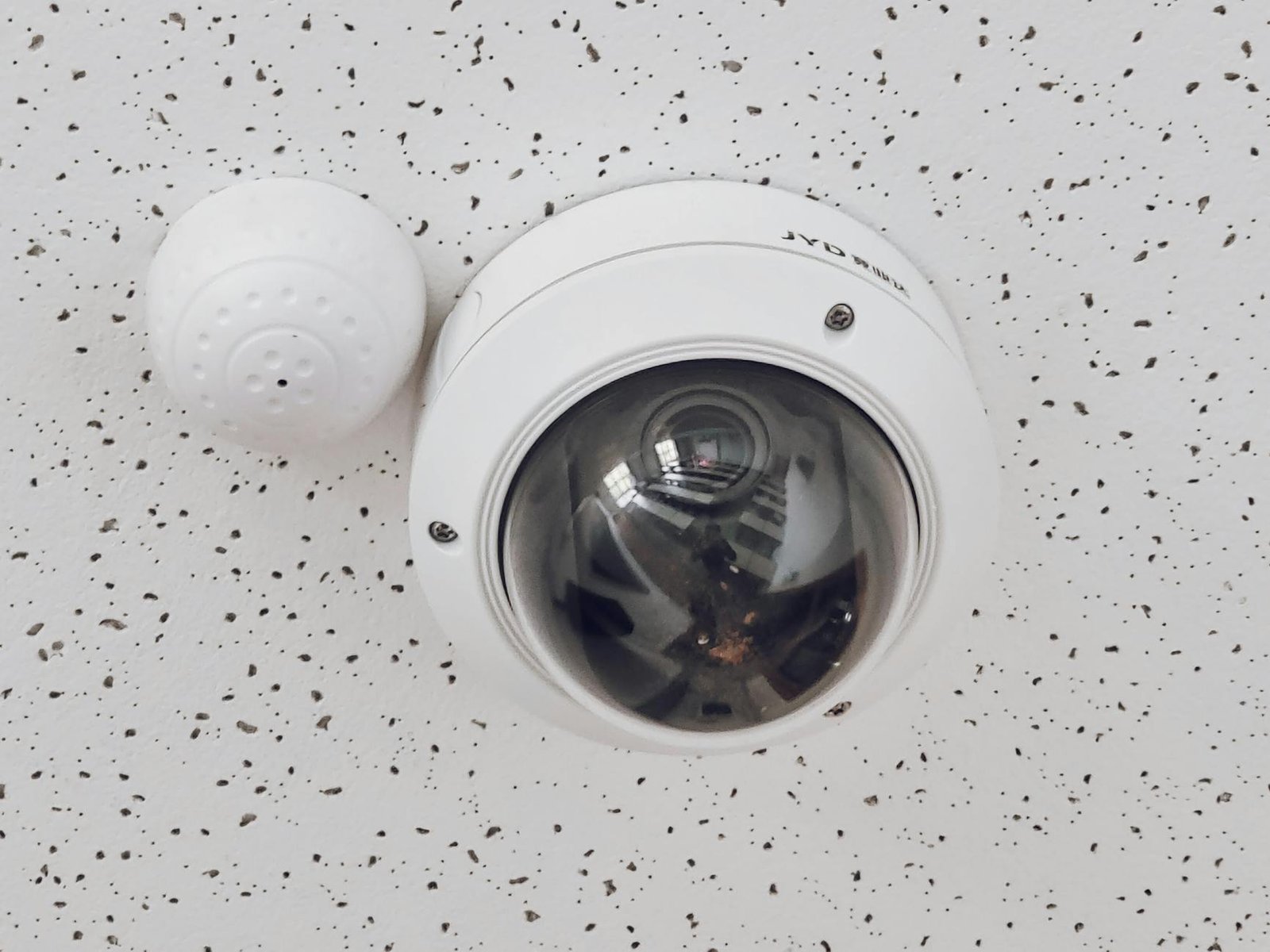
Camera placement is where most CCTV installation mistakes begin. Cameras mounted too high lose facial detail. Cameras pointed into direct sunlight wash out completely. Cameras covering the wrong angle miss the very area they’re supposed to protect.
The fix: Before drilling a single hole, walk the property and sketch your coverage zones. Mount cameras between 7 and 9 feet high for optimal facial recognition. Keep the sun behind the camera, not in front of it.
2. Ignoring IR Reflections at Night
Infrared night vision is only useful if there’s nothing reflective in its path. Mount a camera too close to a white wall, a window, or a shiny surface and the IR bounces back, blinding the lens with a glowing white wash.
The fix: Test night vision at install time, not after the job is done. Reposition cameras so IR illuminators aren’t aimed at reflective surfaces within 3 feet.
👉 Night Vision Reality Check: Why Cheap Cameras Fail After Dark
3. Cheap Cameras in Critical Locations
Budget cameras look fine in a product photo. In real-world conditions — low light, rain, extreme temperatures — they fall apart fast. Low-quality image sensors, fake IR range claims, and flimsy housings mean your most important cameras fail exactly when you need them most.
The fix: Match camera quality to location criticality. Entry points, parking areas, and cash handling zones deserve better hardware. Save the budget cameras for low-risk interior spots.
👉 The Real Cost of Cheap Security Cameras
4. Poor Cable Management
Cables left exposed, unsecured, or routed through areas accessible to the public are a serious vulnerability. They can be cut, damaged by weather, or pulled free — taking your cameras offline without any visible sign of tampering.
The fix: Run cables through conduit wherever they’re exposed. Secure at regular intervals. Keep cable runs tight to building lines. A clean install is also a harder target for sabotage.
5. Undersized Storage
Nothing is worse than reviewing footage after an incident and finding the system overwrote it two days ago. Undersized storage is one of the most expensive CCTV installation mistakes — not in hardware cost, but in consequences.
The fix: Calculate your actual storage needs before buying drives. Use our free Security Camera Storage Calculator — plug in your camera count, resolution, frame rate, and retention period and it’ll tell you exactly what size drive you need.
Always use surveillance-rated drives like the WD Purple series. Standard desktop drives aren’t designed for 24/7 write cycles and will fail early in CCTV applications. Browse the full range at the CCTV Trainer Store.
6. No Weatherproofing at Cable Entry Points
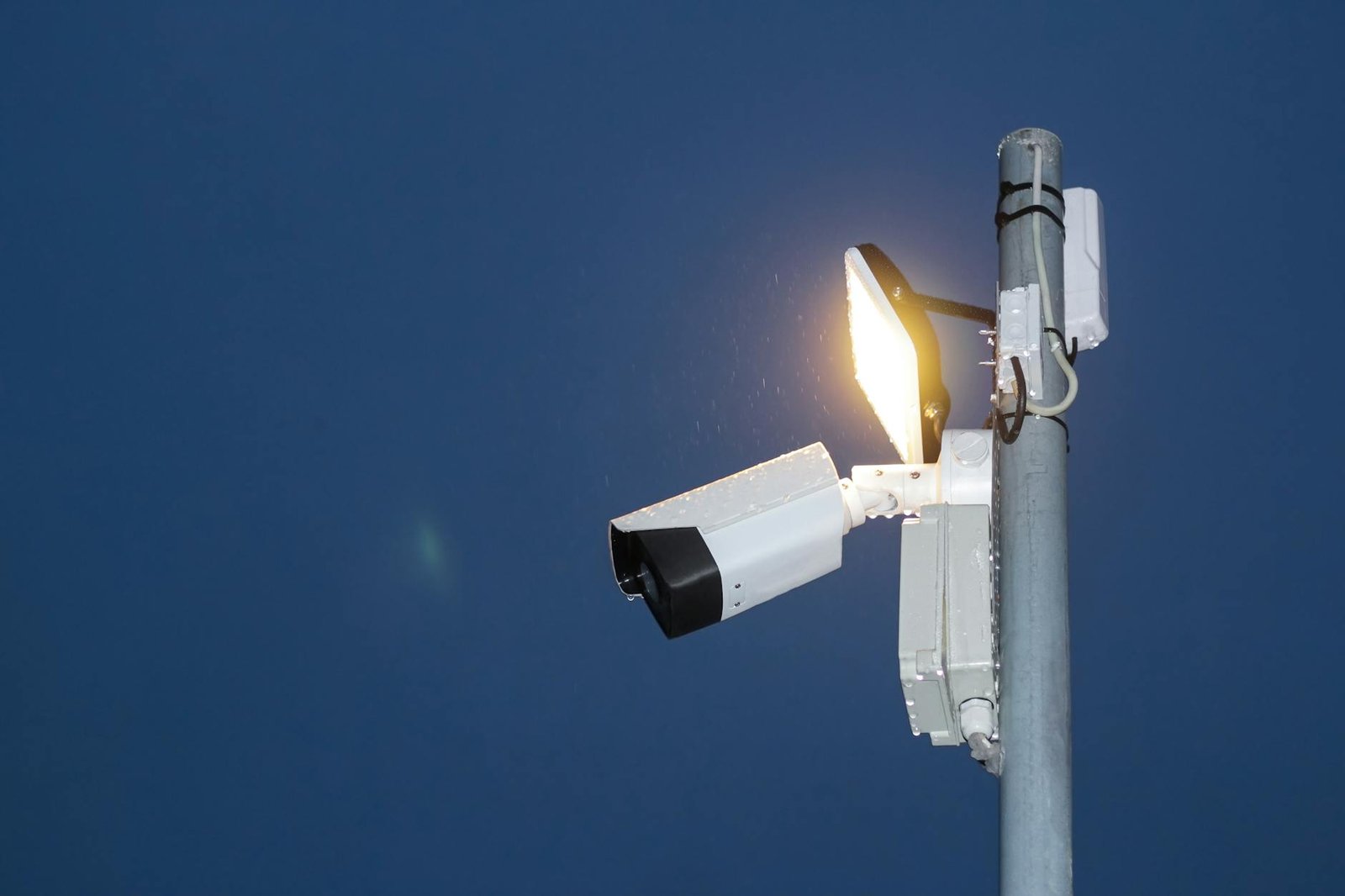
A camera might have an IP67 rating, but if the cable entry point isn’t sealed, water gets in and destroys the unit from the inside. This is one of the sneakiest CCTV installation mistakes because the camera looks fine from the outside until it suddenly stops working.
The fix: Seal every outdoor cable entry point with weatherproof silicone sealant. Use drip loops on cables so water runs down and away from the housing, not into it.
👉 How to Protect CCTV Equipment from Extreme Weather
7. Skipping the Post-Install Test
The job isn’t done when the last camera is mounted. A surprising number of CCTV installation mistakes only show up in live conditions — an angle that looked right on a ladder looks completely wrong on the monitor, a motion detection zone that triggers on tree branches every 30 seconds, a camera that records audio it shouldn’t.
The fix: Build a proper post-install test into every job. Walk the full coverage area while watching live feed. Test motion detection. Check night vision. Verify footage is recording and retention periods are correct. Hand the client a completed checklist.
How to Audit an Existing Install
If you’ve inherited a system or you’re reviewing an install done by someone else, these are the first things to check:
- Can you clearly identify a face at each camera’s intended range?
- Is night vision clean — no IR bloom or washout?
- Are all cables secured and protected from weather?
- Is storage sized for your actual retention needs?
- Are all entry points sealed?
- When did the last recording test happen?
If any of these fail, you have a vulnerability. If you want a professional eye on your system, Roylance Consulting provides full CCTV system audits and redesign services.
Ready to upgrade? Browse our 4-Channel Camera Kit or 8-Channel 4K Kit.
For a complete guide to building a proper system from scratch, start here: The Complete CCTV Guide for 2026.
Frequently Asked Questions
What is the most common CCTV installation mistake?
Wrong camera placement is the most common CCTV installation mistake. Cameras mounted at the wrong height or angle miss critical coverage areas. The ideal mounting height for facial recognition is between 7 and 9 feet.
How high should security cameras be mounted?
Between 7 and 9 feet is the standard recommendation for most applications. High enough to prevent tampering, low enough to capture clear facial detail at entry points.
Do I need conduit for CCTV cables?
Any cable run that’s exposed outdoors or accessible to the public should be in conduit. It protects against weather damage, UV degradation, and deliberate sabotage.
What storage drive should I use for CCTV?
Always use a surveillance-rated drive — WD Purple, Seagate SkyHawk, or equivalent. Standard desktop HDDs are not designed for the constant read/write demands of CCTV recording. Use our Storage Calculator to size your drive correctly.
How do I prevent IR reflection at night?
Keep the camera’s IR illuminators clear of reflective surfaces within 3 feet. Avoid aiming cameras at windows, white walls, or any surface that could bounce IR light back into the lens. Test night vision on the day of install — not after the client has signed off.