Night Vision Reality Check: Why Cheap Security Cameras Fail After Dark
Posted in :

Most security cameras look fine on the sales page. The specs say night vision. The price seems reasonable. Then you pull up the footage at 2am and you’re looking at a blurry grey smear where a face should be.
These CCTV installation tips won’t mean much if your cameras can’t see after dark — and the truth is, most cheap security cameras can’t. This guide breaks down why night vision quality varies so dramatically, what to look for in a quality system, and how to make sure your surveillance system actually works when it matters most.
If you’re shopping for a new security camera system or evaluating what you already have, this is your night vision reality check.
What “Night Vision” Actually Means
Night vision in security cameras comes in two main forms: infrared (IR) illumination and low-light color imaging. Most cameras use IR. A few higher-end models use both.
Here’s how IR night vision works: tiny infrared LEDs around the camera lens emit light that’s invisible to the human eye but visible to the camera sensor. The camera switches to black and white mode at night and uses that IR light to illuminate the scene.
Sounds simple. The problem is in the execution.
Cheap cameras cut corners on three things that matter most:
- Sensor quality — a small, low-by quality sensor struggles to process light efficiently
- IR LED output — underpowered LEDs mean weak illumination and short range
- Lens quality — a cheap lens blurs detail even when the sensor and LEDs are decent
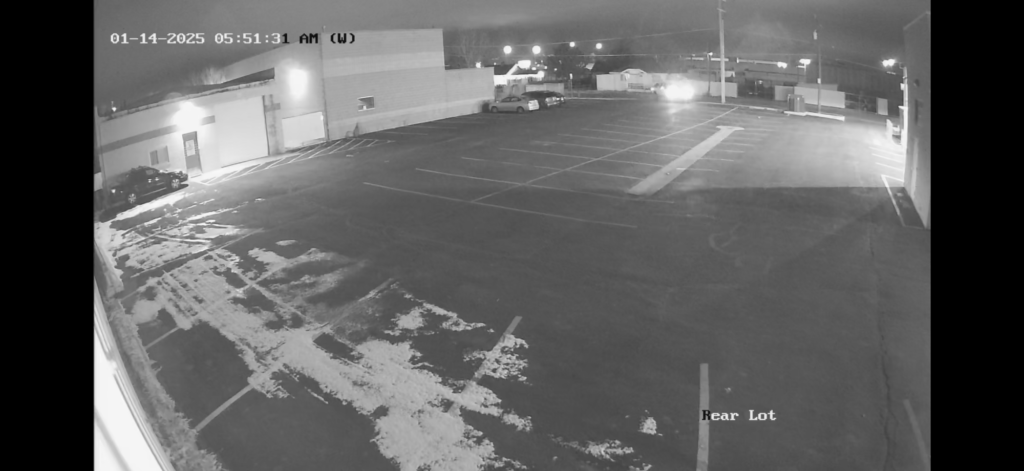
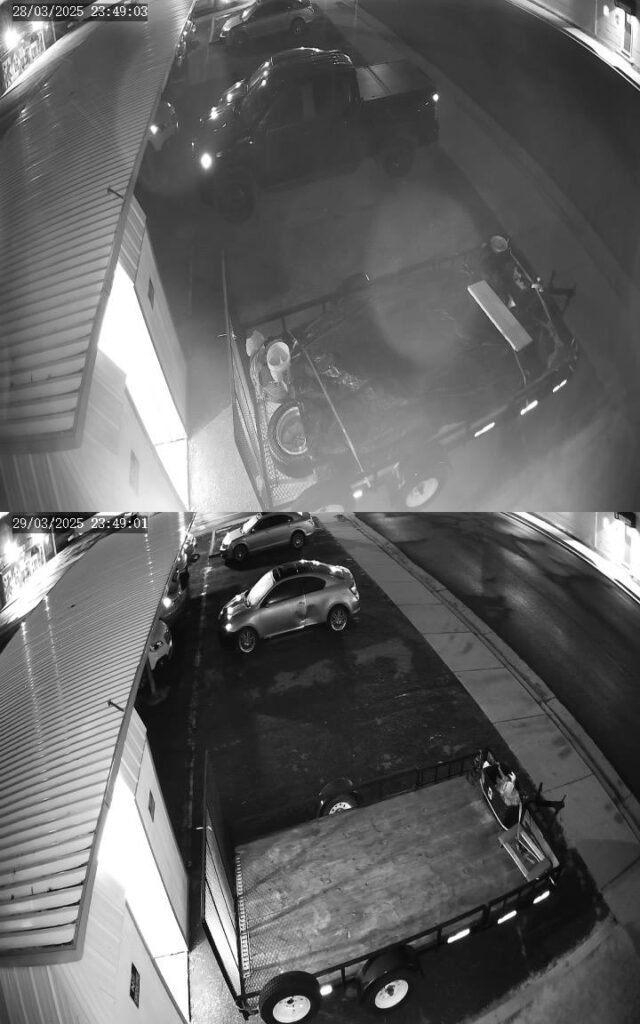
The result is footage that technically exists but isn’t usable. You can see something happened. You can’t see who did it.
The Real Cost of Cheap Night Vision
Let’s be direct about this: a cheap camera that can’t identify a face at night isn’t a security camera. It’s a recording device that gives you false confidence.
Here’s what you lose with a budget camera after dark:
Facial detail disappears past 15 feet. Most cheap cameras claim 30–60ft IR range. In practice, the image degrades badly past 10–15 feet. Quality IP security cameras with proper IR arrays maintain usable detail at 40, 60, even 100 feet depending on the model.
Motion blur kills the footage. Low-end sensors struggle with moving subjects at night. A person walking at normal pace across your driveway will appear as a smeared blob. Quality cameras use wider aperture lenses and better sensors to reduce motion blur in low light.
IR washout kills close-up shots. Mount a cheap camera near a wall or under a soffit and the IR reflects straight back into the lens. You get a blown-out white frame. Quality cameras have adjustable IR intensity and better housing design to manage this.
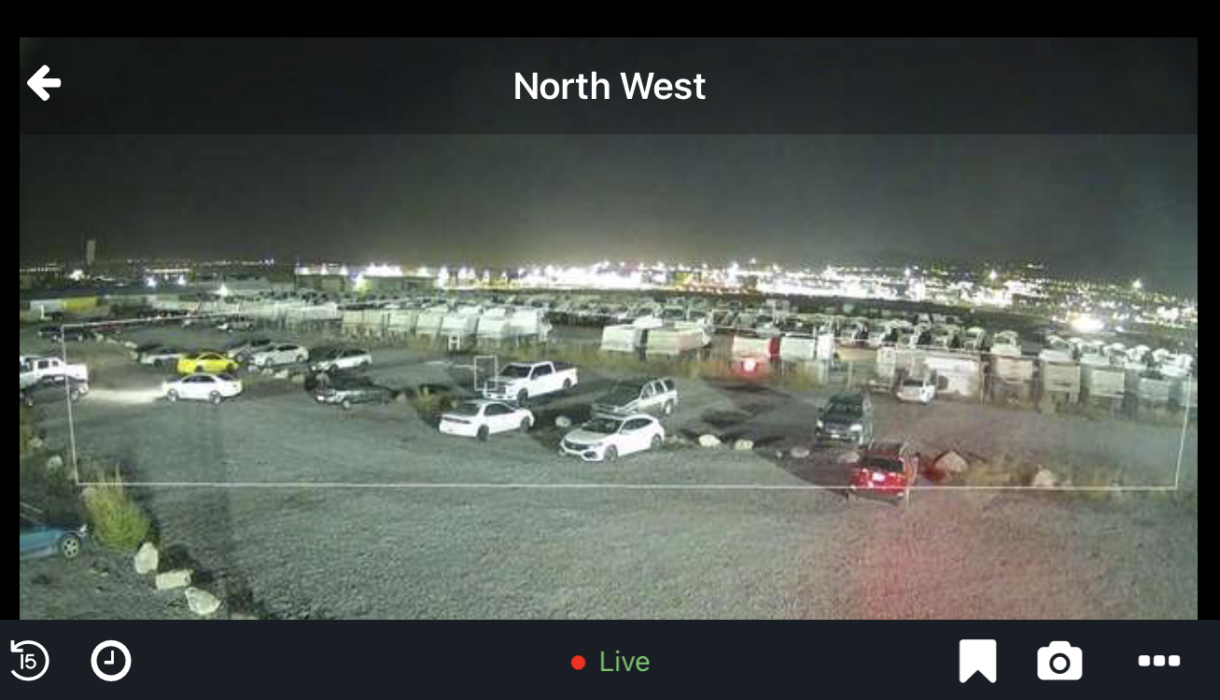
Color night vision doesn’t exist on cheap models. Higher-end cameras now include full-color night vision using starlight sensors or built-in white light LEDs. In low-light conditions — a dimly lit parking lot, a streetlit driveway — these cameras produce color footage that makes identification far easier than black and white IR.
What to Look for in a Quality Night Vision Camera
When you’re working through any security camera buying guide, night vision specs are often the most misleading section. Here’s how to read past the marketing:
Sensor size matters. Look for 1/2.8” or larger sensors. Smaller sensors (1/3.6”, 1/4”) are common in budget cameras and perform poorly in low light.
Aperture rating. An f/1.6 lens lets in significantly more light than an f/2.0. For night vision, a wider aperture (lower f-number) means better low-light performance before IR even kicks in.
Smart IR or adaptive IR. Quality cameras adjust IR intensity automatically based on distance and scene. This prevents washout on close subjects while maintaining illumination further out.
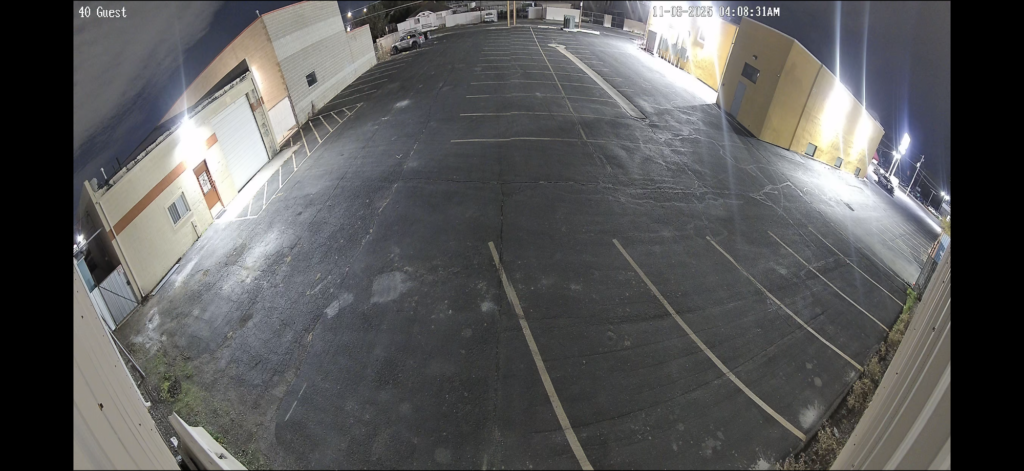
IR range vs usable range. A camera rated for 100ft IR range might produce usable footage at 40–50ft. Ask for real-world samples, not spec sheet numbers.
Color night vision options. If your install location has any ambient light — streetlights, parking lot lights, exterior building lights — a color night vision camera will outperform standard IR significantly. PoE security cameras in this category have come down in price considerably and are worth the upgrade on key coverage points.
Placement Makes or Breaks Night Vision Performance
Even a great camera will underperform with bad placement. These are the night vision placement rules we apply on every install:
Use available light. Position cameras near existing light sources where possible. A camera near a porch light or parking lot fixture gets a significant performance boost even without IR.
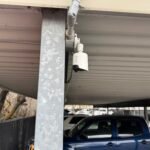
Avoid IR reflection. Don’t mount cameras flush against light-colored walls or directly under low soffits. The IR bounces back and ruins the image. Give the camera at least 6–8 inches of clearance from surrounding surfaces.
Don’t aim into competing light sources. Cameras pointed at bright lights — oncoming headlights, bright porch lights in frame — will blow out or cause the sensor to compensate and darken the rest of the scene.
Match IR range to the coverage area. If your camera is covering a 20-foot driveway, you don’t need 100ft IR. But if you’re covering a large open area, underpowered IR is a serious problem. Match the camera spec to the actual coverage need.
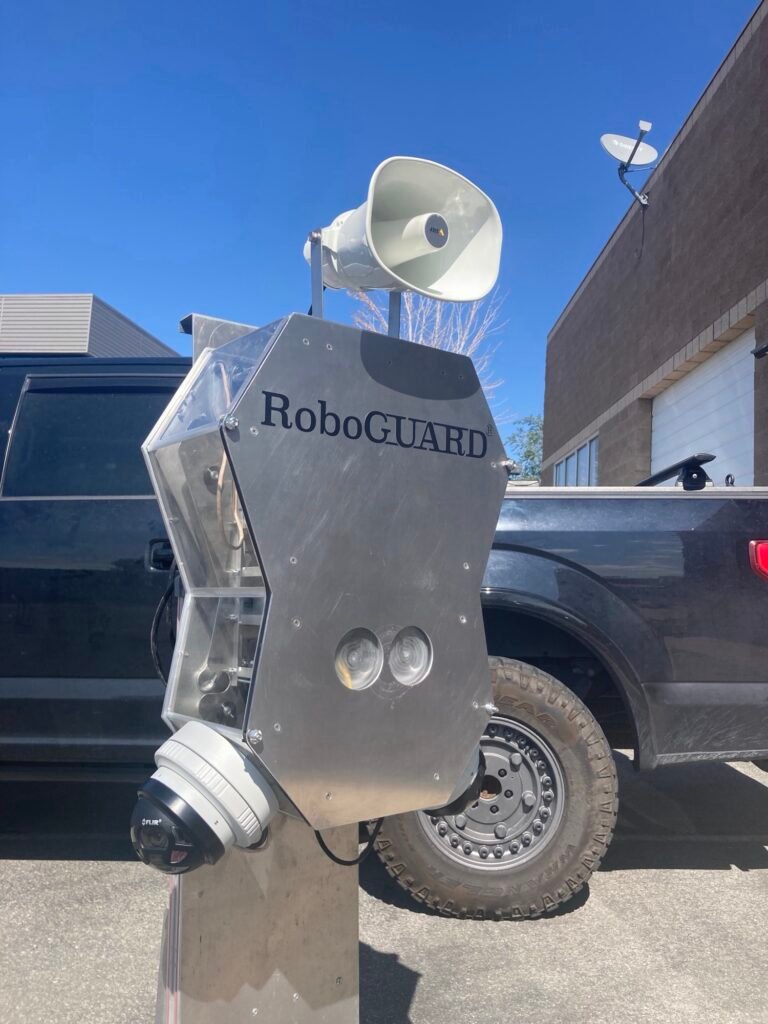
Consider camera enclosures in challenging environments. In high-heat or dusty environments, sensor performance degrades over time. A properly rated enclosure protects the camera and maintains consistent night vision performance long-term. Our RoboGuard enclosures are designed specifically for these conditions — keeping your equipment protected and performing year-round.
🧮 Plan Your System Before You Buy
Night vision range, resolution, and storage all affect how much hard drive space your system needs. Before you spec out cameras, run your setup through the CCTVTrainer Storage Calculator — plug in your camera count, resolution, and retention needs and get an accurate storage recommendation in under a minute.
It’ll save you from overbuying storage or running out of space two weeks into the install.
🛒 Cameras We Actually Install
Every camera in our webstore is something we’d put on a real job. No filler products, no rebranded junk.
If night vision performance is your priority, start here:
- Titanium 4MP Turret Camera — full-color night vision, IP67, PoE
- Titanium 4MP Camera 4-Pack — expand an existing system
- 4-Channel Complete System — NVR + cameras + cable, ready to install
- RoboGuard.com
Not sure which camera fits your install? The product pages include real-world specs — not just marketing numbers.
🔧 Want a System That Actually Works at Night?
If you’re planning a new install or replacing cameras that aren’t performing, our consulting service will save you from buying the wrong gear. We’ll review your property layout, lighting conditions, and coverage goals — and give you a clear recommendation before you spend anything.
Roylanceconsulting.com – one flat rate, no sales pitch, just answers.
Conclusion
Night vision is the one feature that gets oversold and underdelivered more than anything else in the security camera market. The cameras that look fine in a showroom or on a spec sheet often fall apart the moment the sun goes down.
Getting your CCTV installation right means choosing cameras with real low-light capability, placing them to take advantage of available light, and protecting them from the environments that degrade performance over time. A quality PoE security camera system with proper IR or color night vision isn’t just better footage — it’s the difference between identifying someone and watching a blur.
Don’t find that out after something happens.
📱 Follow us for real install footage and tips:
🔗 Related Articles:
- Cheap Cameras — What You Get
- Bullet vs Dome vs Turret Cameras
- Extreme Weather Camera Protection
- Installation Mistakes to Avoid
- Analog vs IP Cameras