

Choosing between IP and analogue CCTV is one of the first decisions you’ll face when planning a security system — and it affects everything from image quality and installation cost to how easily you can expand later. Both technologies are widely used in 2026, and both have their place. This guide explains the real differences so you can choose with confidence.
If you’re completely new to CCTV, it’s worth reading our Complete CCTV Guide for 2026 first — it covers everything from camera selection to storage and monitoring in one place.
What Are Analogue CCTV Cameras?
Analogue cameras are the traditional format. They capture video and send it as an analogue signal over coaxial (coax) cable to a Digital Video Recorder (DVR), which converts and stores it digitally. Older analogue systems topped out at standard definition, but modern HD-over-coax technologies — including HD-CVI, HD-TVI and AHD — now deliver 1080p, 4MP and even 8MP resolution over the same existing coax infrastructure. This means you don’t have to rip out perfectly good cabling just to get better picture quality.
What Are IP CCTV Cameras?
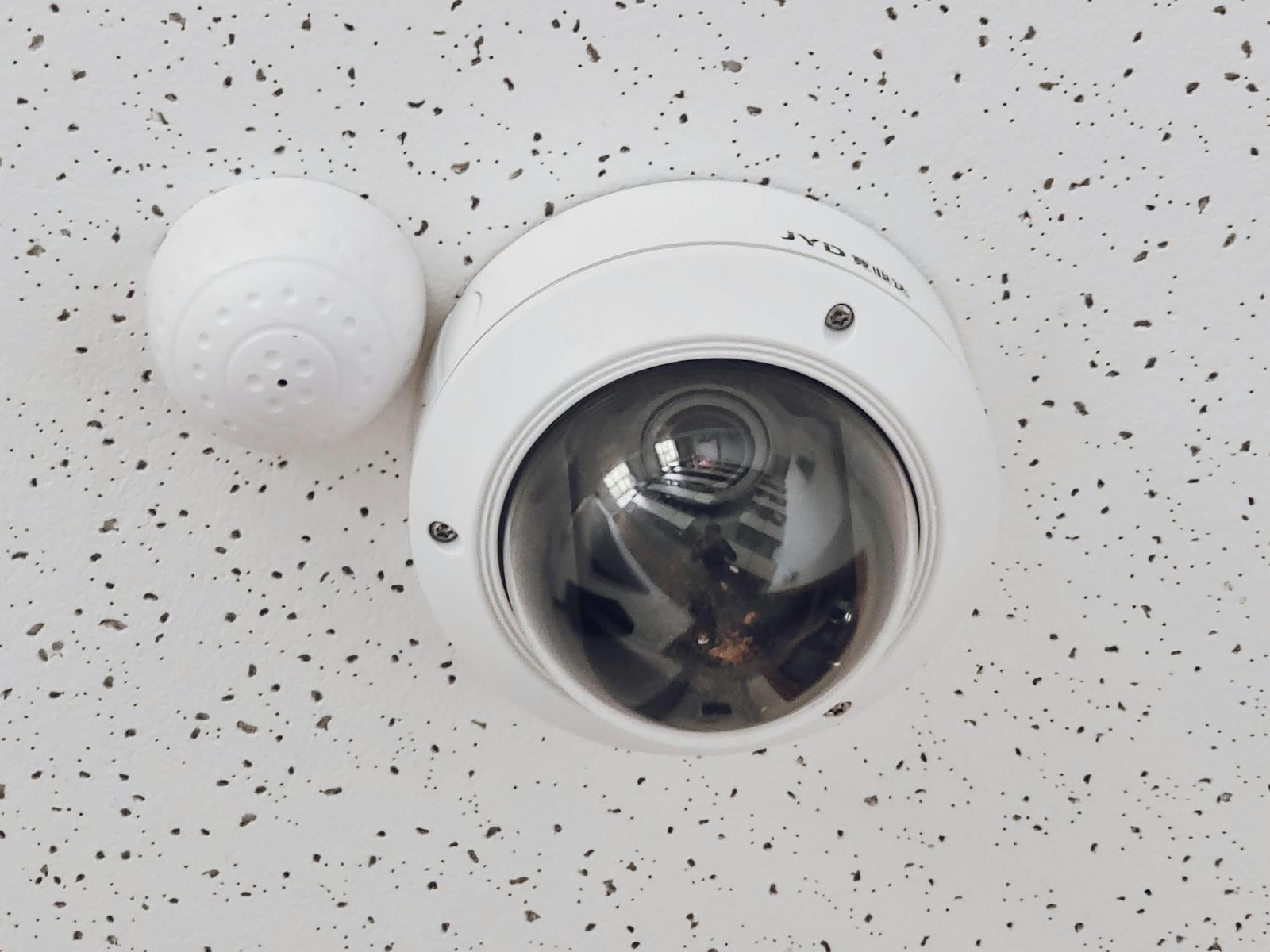
IP (Internet Protocol) cameras are network-connected. They encode video digitally within the camera itself, then transmit that data over a standard Cat5e/Cat6 Ethernet network to a Network Video Recorder (NVR). Because Power over Ethernet (PoE) carries both power and data down a single cable, installation is often cleaner. IP cameras also support far higher resolutions, built-in AI analytics, two-way audio, and straightforward remote access as standard.
Image Quality: HD Analogue vs IP
On paper, IP cameras win the resolution race. 4K IP cameras are affordable and widely available, and the digital-native pipeline means minimal signal degradation. That said, modern HD-over-coax systems at 4MP or 5MP deliver perfectly usable footage for the vast majority of installations — retail shops, car parks, small business premises — where 1080p is more than enough for identification purposes.
Where IP pulls clearly ahead is in the finer details: wide dynamic range (WDR), low-light performance, and AI-powered features like face detection, licence plate recognition, and object classification are far more mature and accessible in the IP world. If those features matter, IP is the clear choice.
Cost: Upfront vs Long-Term
Analogue systems typically cost less upfront. DVRs are cheaper than NVRs, coax cable is already in place in many older buildings, and HD analogue cameras are very competitively priced. If you’re retrofitting an existing analogue site, an HD-over-coax upgrade is frequently the most cost-effective path.
IP systems carry a higher upfront cost — PoE switches, NVRs and IP cameras command a premium — but total cost of ownership can be lower over time thanks to easier remote management and longer useful lifespans. Before cutting corners on either system, it’s worth reading our breakdown of the real cost of cheap security cameras.
For competitively priced cameras, recorders and accessories across both technologies, take a look at the CCTV Trainer shop.
Installation: Which Is Easier to Set Up?
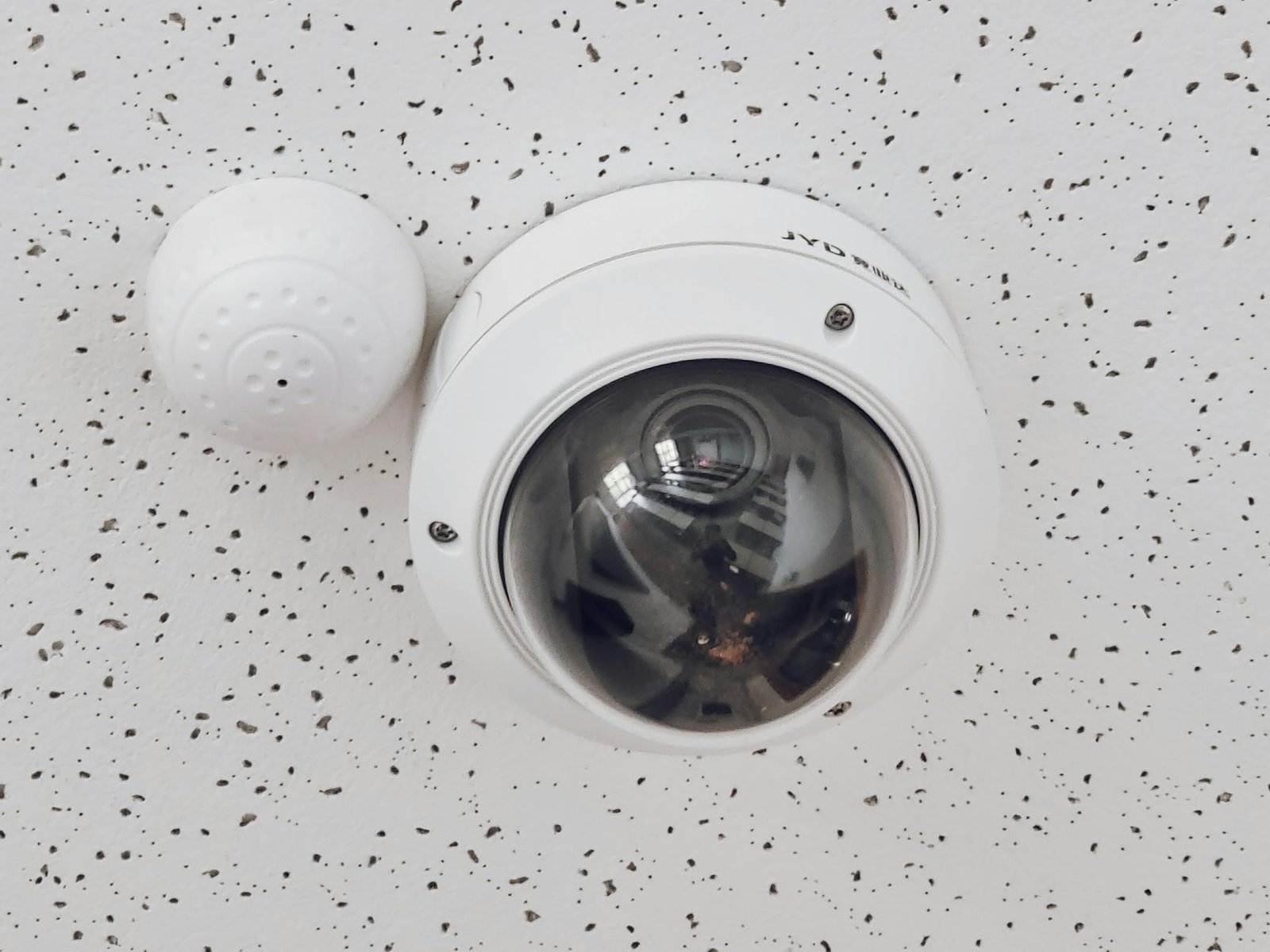
For experienced installers, analogue is often quicker to deploy on a straightforward job. Coax is forgiving, passive, and needs no network configuration. IP systems require network knowledge — IP addressing, subnetting, PoE switch configuration, port forwarding for remote access — but none of this is insurmountable, and the flexibility it unlocks is significant on larger or more complex sites.
Wherever you land on the technology spectrum, the fundamentals of a solid installation remain the same. See our post on 3 real security camera installation fails for a reminder of the mistakes that catch even experienced installers out. For professional training on both analogue and IP platforms, CCTV Trainer has you covered. For bespoke system design consultancy, Roylance Consulting offers expert advice to installers and end clients alike.
Scalability and Future-Proofing
This is where IP systems have a structural advantage. Adding a camera is often as simple as running a Cat6 cable to the nearest PoE switch — no fixed channel count to worry about. Analogue DVRs have a set number of inputs, and expanding beyond them typically means buying an additional recorder and managing two separate systems.
If your system is likely to grow — more cameras, additional sites, integration with access control or alarm systems — IP gives you far more room to manoeuvre long-term.
Which System Is Right for You?
Before committing to a technology, it’s also worth thinking about camera form factor. Our guide to bullet vs dome vs turret cameras explains which style suits which environment — and both are available in analogue and IP variants.
Choose Analogue (HD-over-Coax) If:
- You have existing coax cable infrastructure you want to reuse
- Budget is the primary constraint
- The site is small (4–16 cameras) with no significant expansion plans
- You don’t need AI analytics, advanced remote access, or system integration
Choose IP If:
- You need 4K resolution or advanced AI features (face detection, LPR, object classification)
- Remote access and management are important
- The system will grow over time
- You’re cabling fresh with Cat5e/Cat6 and want PoE simplicity
- Integration with other systems (access control, VMS, NAS) is required
Frequently Asked Questions
Can I mix analogue and IP cameras on the same system?
Yes. Hybrid DVR/NVR units accept both analogue (coax) inputs and IP camera feeds over the network. These are a practical middle ground when migrating from analogue to IP over time without replacing everything at once.
Are analogue cameras still being manufactured?
Absolutely. HD-over-coax analogue cameras are actively developed and sold by all major manufacturers in 2026. Analogue isn’t dead — it’s evolved considerably. For many straightforward installations, it remains the most sensible choice.
How far can I run coax cable vs Cat6?
Standard coax can carry HD-over-coax signals up to around 500m without a booster — significantly further than PoE Ethernet, which is typically limited to 100m per segment (extendable with PoE extenders or managed switches). For long cable runs, analogue can actually hold an advantage.
Is IP CCTV harder to install?
It requires network knowledge that traditional analogue installers may not have, but it’s entirely learnable. IP cameras involve IP addressing, subnet configuration and port forwarding for remote access — none of which is rocket science, but all of which needs to be done correctly. Our CCTV installation guide for beginners is a great place to start building that knowledge.
Which is better for a small business?
For a small retail shop, café or office with 4–8 cameras and no existing infrastructure, an entry-level IP PoE system often makes the most sense in 2026 — the price gap has narrowed, the image quality is better, and remote access is built in. That said, if existing coax runs are in good condition, an HD analogue upgrade is hard to argue against on cost grounds alone.
Need help designing the right system for your site? Roylance Consulting provides independent CCTV consultancy for installers and end users. Browse cameras, recorders and accessories at the CCTV Trainer shop.