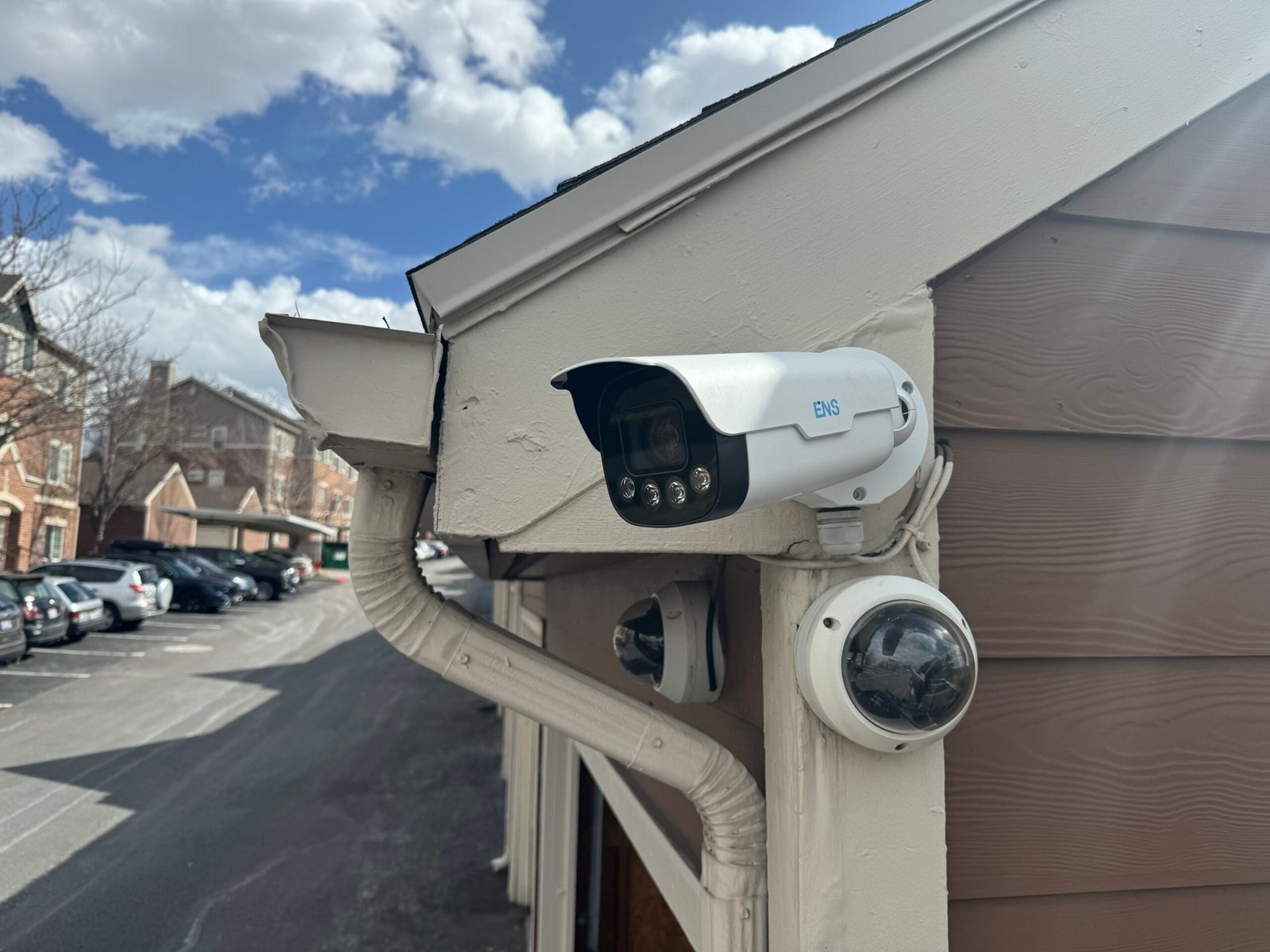

The $30 camera looks like a bargain until you need it to work. Cheap security cameras are everywhere — Amazon, big-box stores, local hardware chains. The spec sheets look impressive. The price is hard to argue with. But the real cost of cheap security cameras isn’t what you pay at checkout — it’s what you
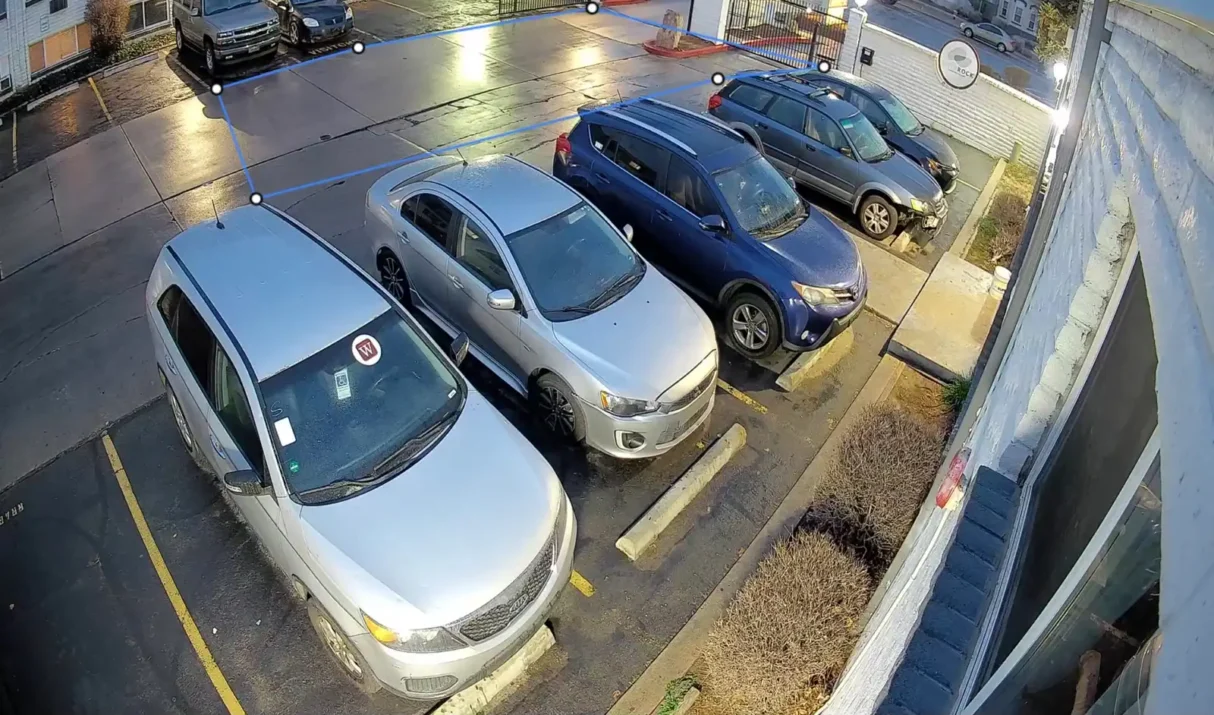
False alarms are the slow death of any security camera system. When alerts become constant background noise, they stop being investigated. When storage fills with footage of blowing leaves and passing headlights, the events that actually matter get buried or overwritten. False alarms aren’t just an annoyance — they degrade the entire value of your
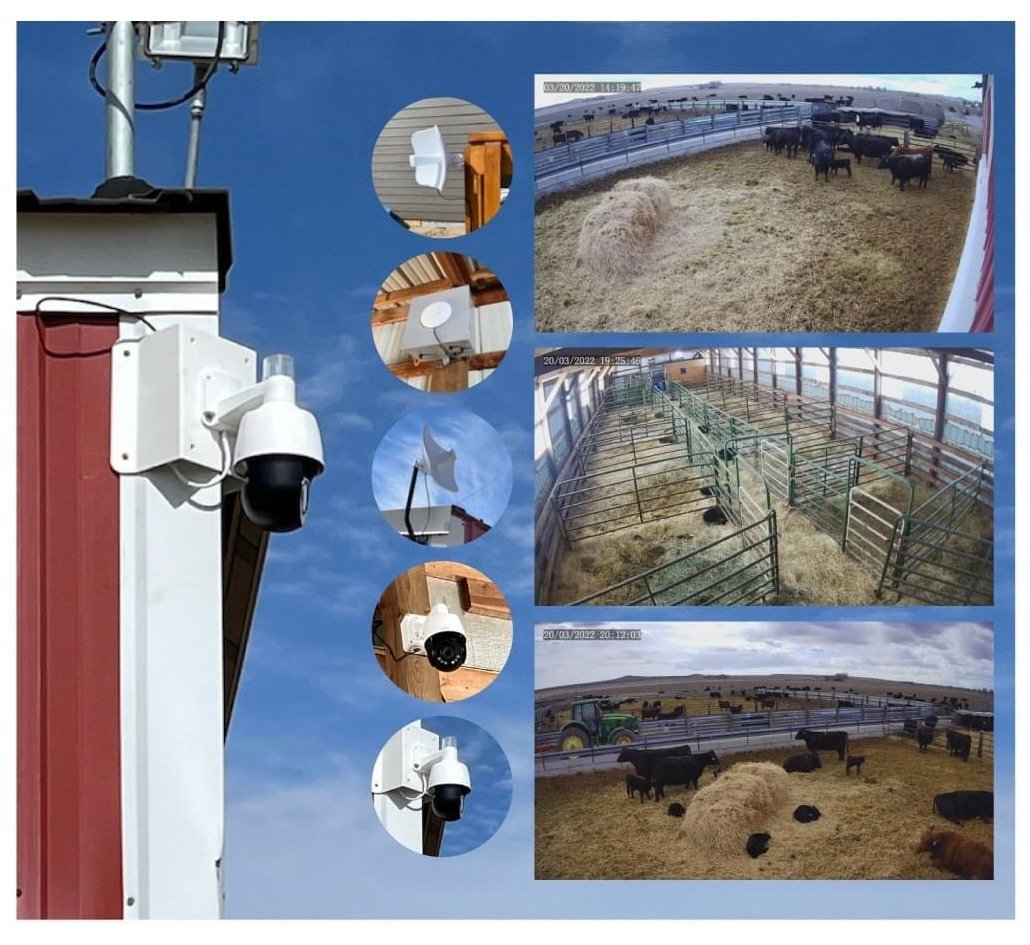
Rural property security is a different challenge than protecting a suburban home. Long driveways, limited lighting, vast acreage, remote outbuildings, unreliable internet, and the real possibility that help is 20+ minutes away — these factors demand a security system designed specifically for the environment, not a box from a big-box store. 📋 Table of Contents
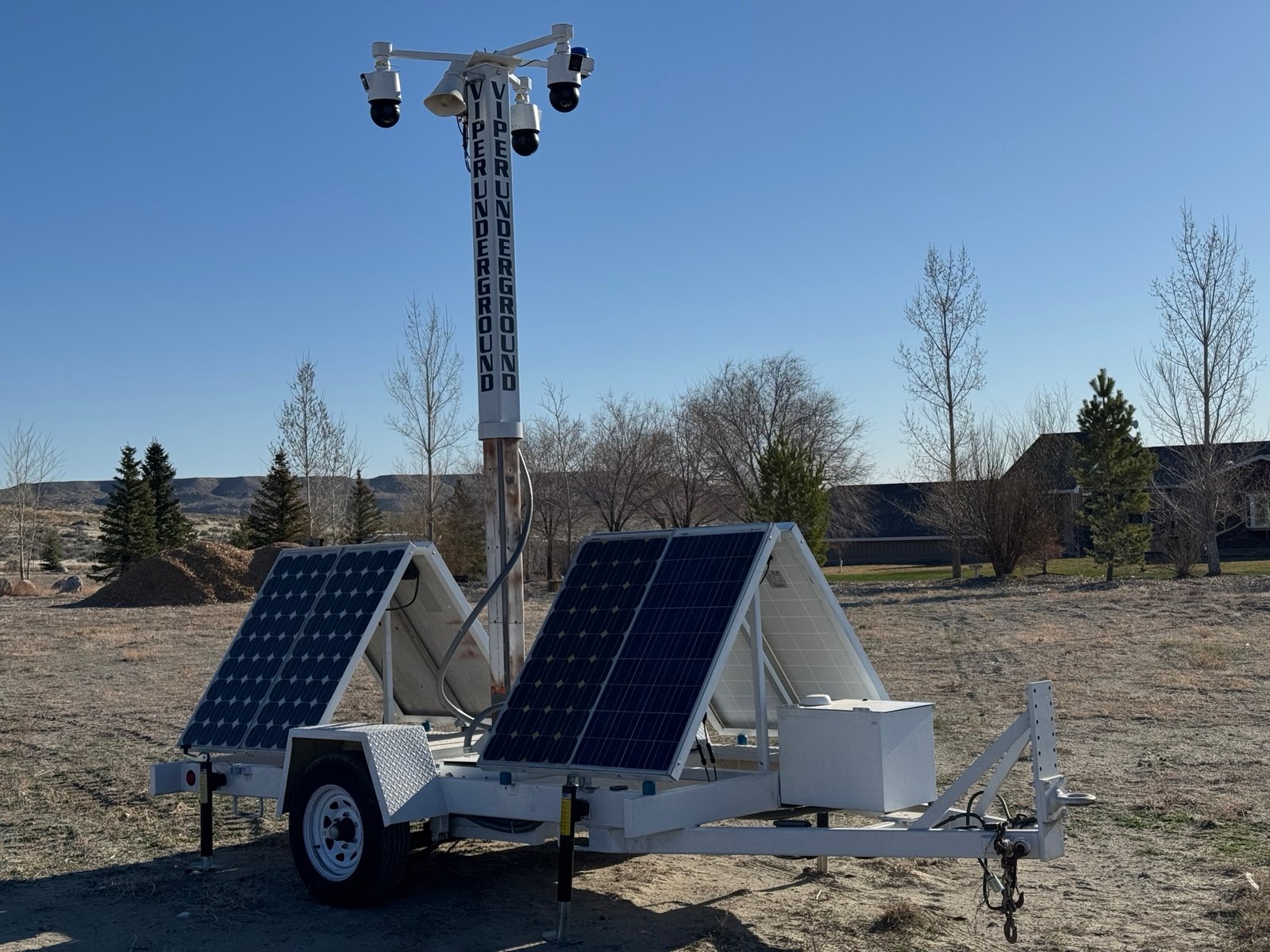
Outdoor security cameras face conditions that would destroy most consumer electronics within a season. Heat, cold, moisture, UV radiation, dust, and wind all work against your equipment continuously. Protection isn’t a one-time decision at installation — it’s a set of design choices that determine whether your system runs reliably for years or fails within months.

Analog security cameras aren’t obsolete — but they’re falling further behind every year. If your system is more than a few years old and running coaxial cable into a DVR, you’re working with technology that has real limits compared to what IP-based systems deliver in 2026. Here’s an honest breakdown of where each technology stands
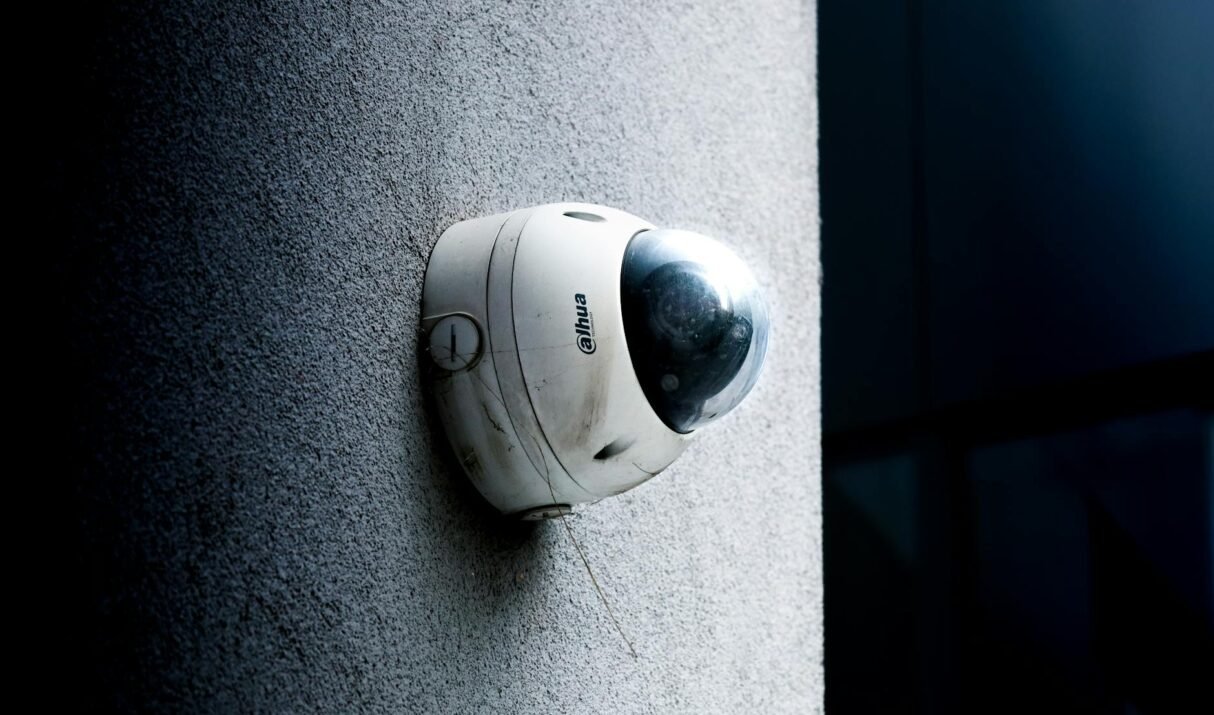
A security camera system that doesn’t deliver usable footage when you need it isn’t a security system — it’s false confidence. These five mistakes account for the vast majority of systems that record footage nobody can actually use for identification or investigation. 📋 Table of Contents Poor Camera Placement Dirty Lenses and Dome Covers Ignoring

When you need security coverage in a location without permanent infrastructure — a construction site, temporary event, remote property, or staging area — two main options come up: a fixed security enclosure or a mobile surveillance trailer. Both work, but they’re built for different problems. Choosing the wrong one means paying for capabilities you don’t
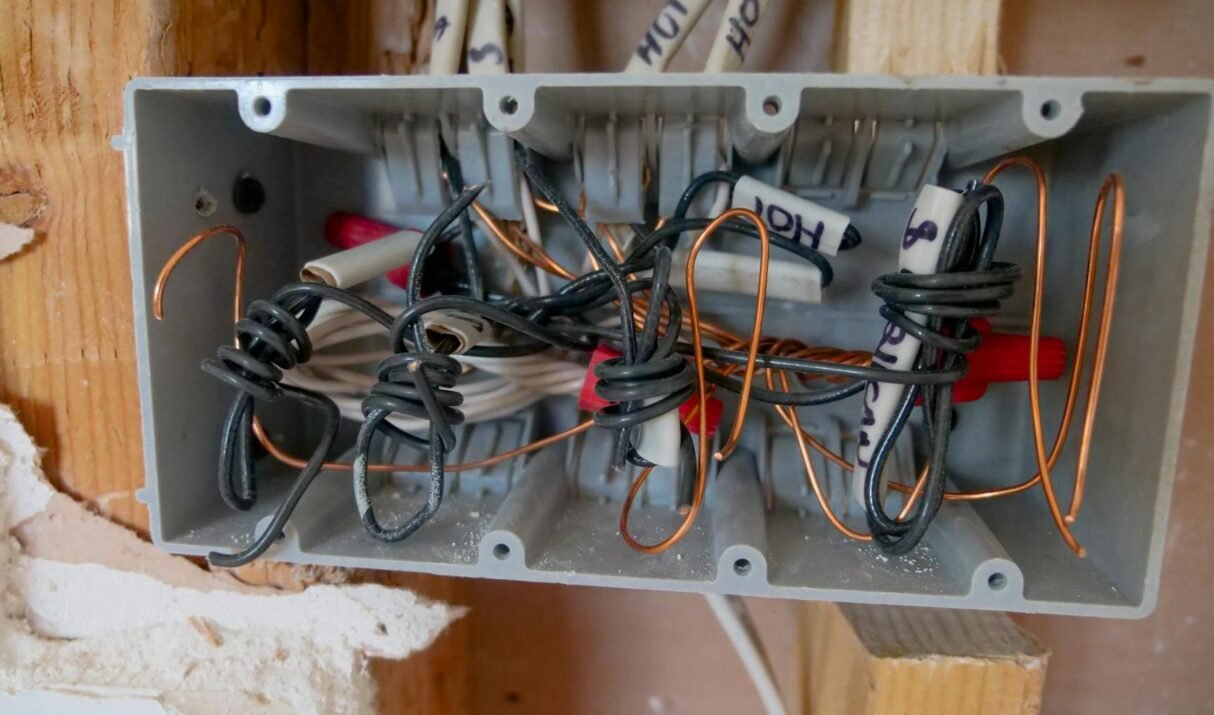
Junction boxes are one of the most skipped steps in DIY and budget CCTV installs — and one of the most visible signs of a professional job. They don’t appear in camera spec sheets. But the difference between an installation with and without proper junction boxes shows up months later in corrosion, false faults, water
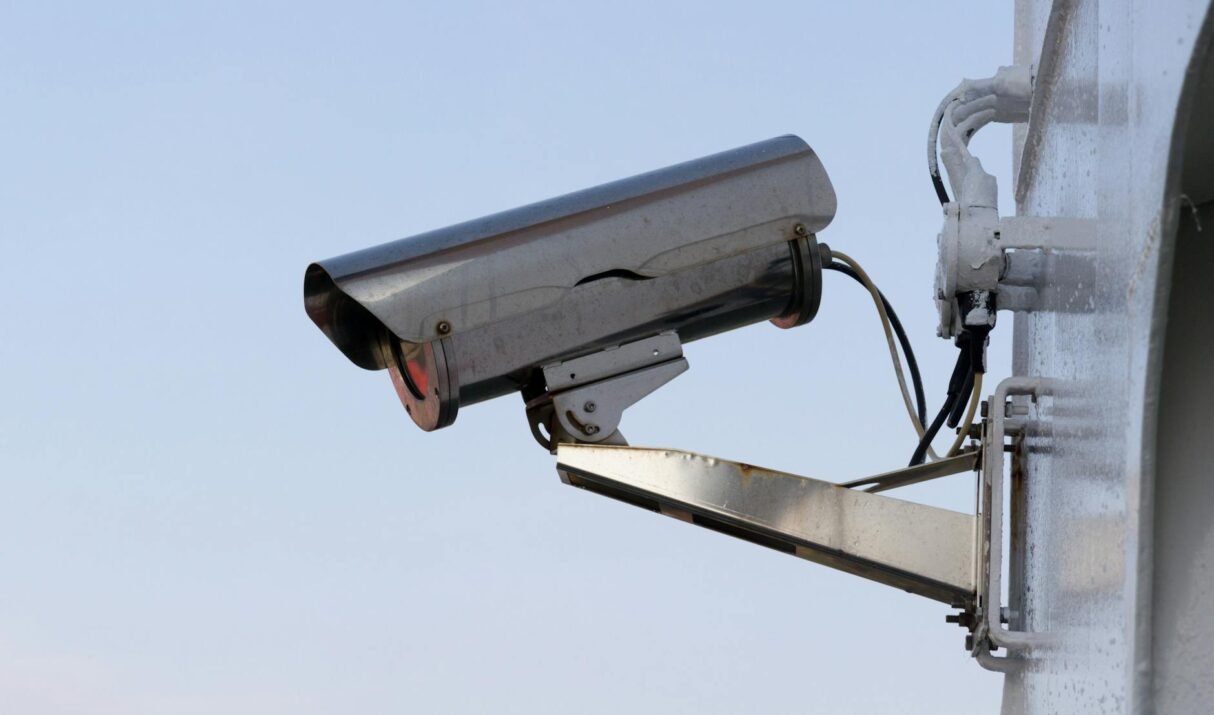
The biggest leap in security camera quality over the past few years hasn’t come from higher resolution — it’s come from better image processing. ISP (Image Signal Processor) technology is now the dividing line between cameras that deliver useful footage and cameras that look good on paper but fail when it matters. 📋 Table of