CCTV Installation Tips & Security Camera Buying Guide (Beginner Friendly)
Posted in :

Installing a security camera system properly is just as important as choosing the right equipment. These CCTV installation tips will help you get clearer footage, avoid common mistakes, and build a more reliable surveillance system.
Many people purchase cameras expecting strong security coverage, but poor camera placement, incorrect installation, or low-quality equipment can lead to blurry footage, blind spots, and unreliable monitoring. In this security camera buying guide, we’ll cover practical installation advice and explain how to choose the right CCTV system for your property.
What a Good CCTV System Actually Needs
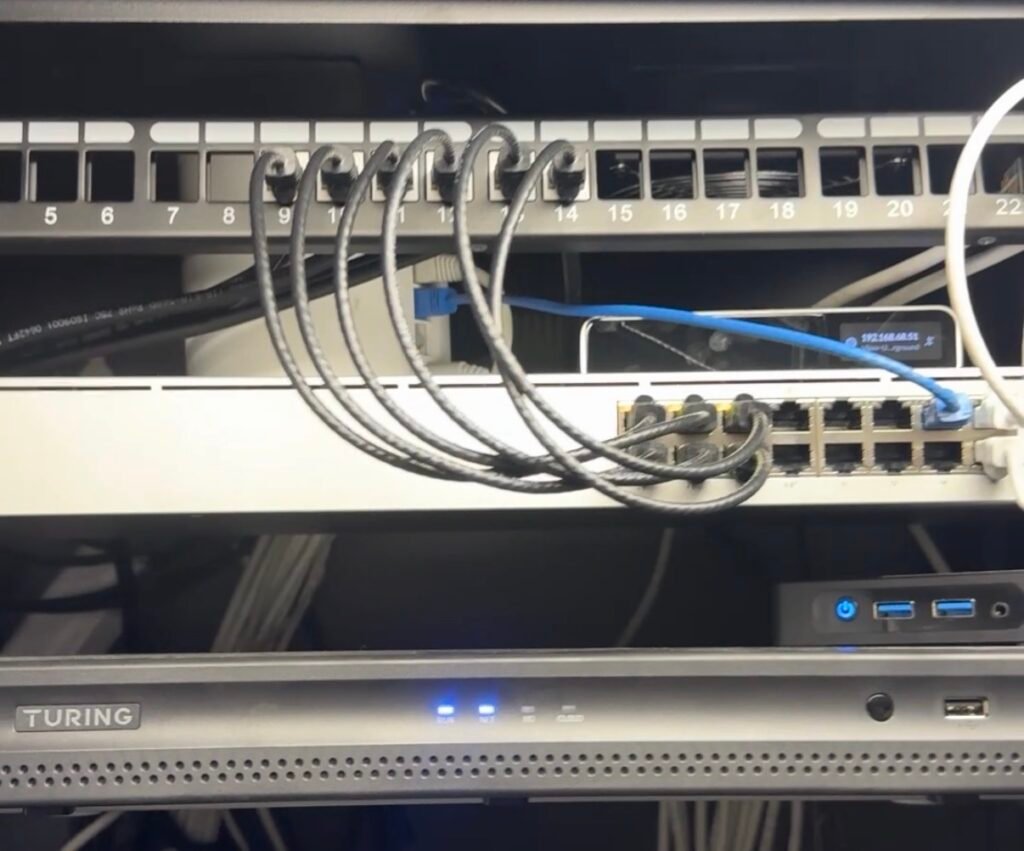
A reliable security camera system is made up of several key components that work together to capture and store video surveillance footage.
Most CCTV systems include:
• Security cameras
• An NVR or DVR for recording
• Hard drive storage for video footage
• Ethernet or coaxial cabling
• Internet connection for remote viewing
Modern IP security cameras often use PoE (Power over Ethernet), which allows both power and data to travel through a single cable. This simplifies installation and improves reliability compared to older analog systems.
5 CCTV Installation Tips Professionals Always Follow
Installing cameras correctly makes a huge difference in the quality of your security footage. These CCTV installation tips are used by professional installers to ensure strong coverage and reliable performance.
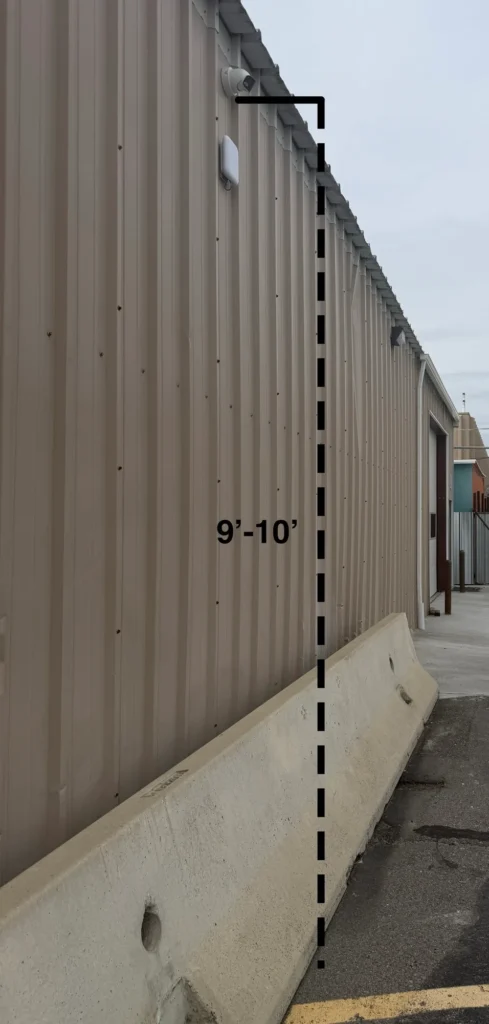
Mount Cameras Around 9–10 Feet High
Mounting cameras too low makes them easy to tamper with, while mounting them too high can reduce facial detail. Installing cameras around 9–10 feet high usually provides the best balance between security and image clarity.
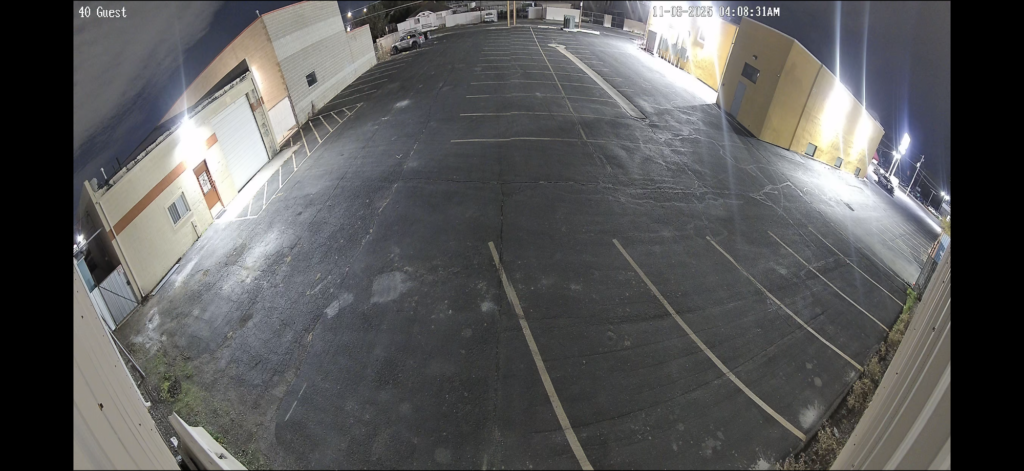
Avoid Pointing Cameras Directly at Bright Lights
Bright lights, headlights, or direct sunlight can cause glare and reduce image quality. Position cameras so light sources are behind the camera rather than shining directly into the lens.
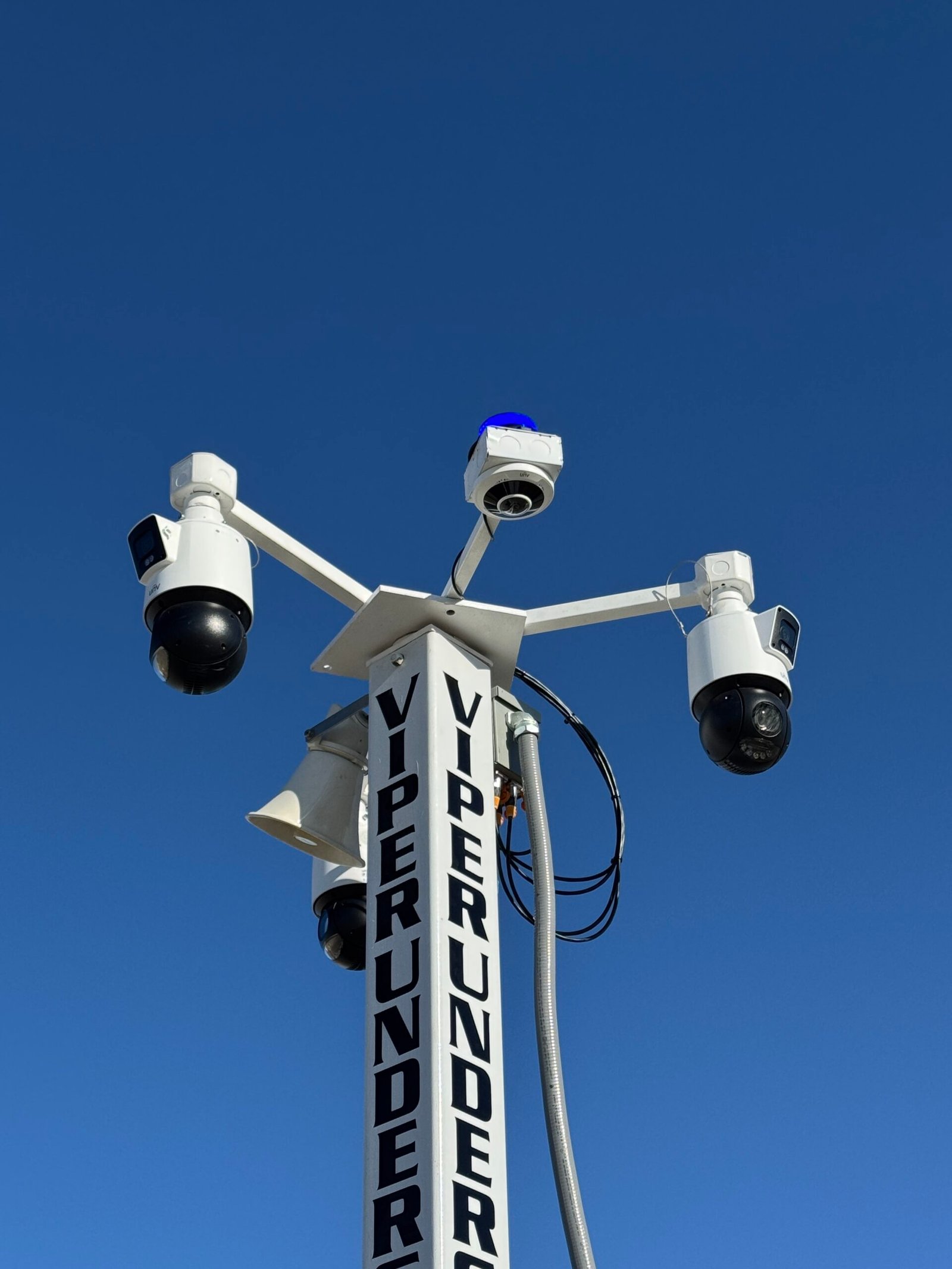
Use Junction Boxes for Outdoor Cameras
Outdoor installations should always protect cable connections. Junction boxes help seal wiring from rain, dust, and insects while keeping the installation clean and professional.
They also make future maintenance easier if a camera needs to be replaced or serviced.
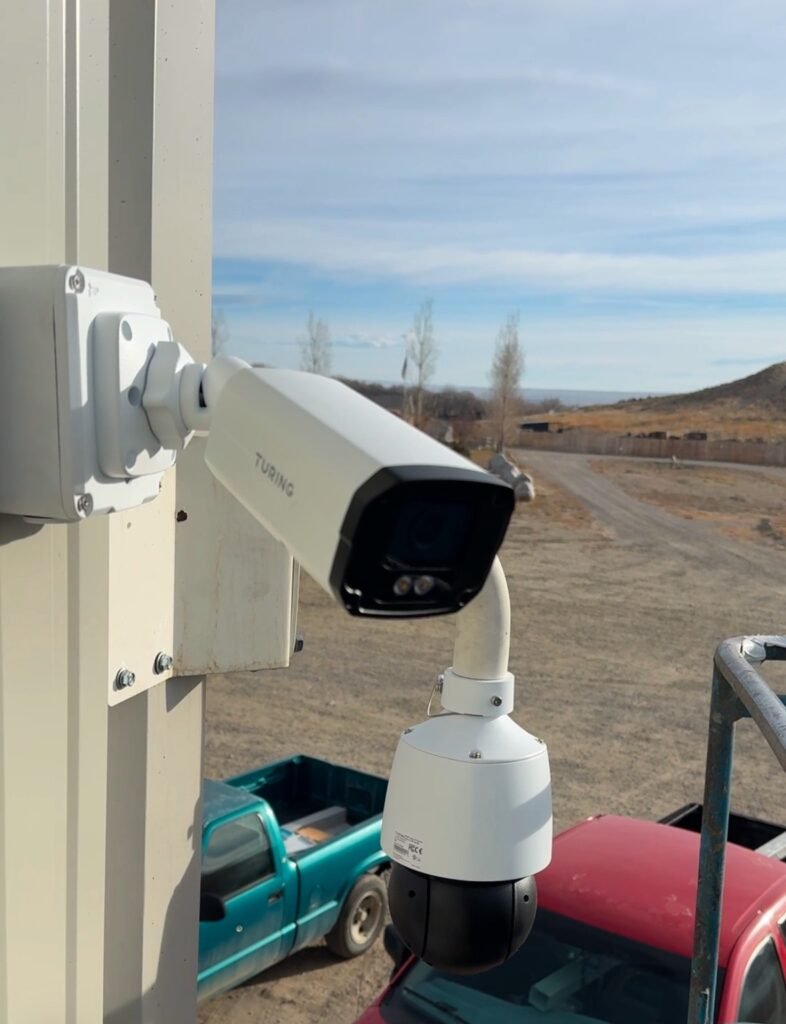
You can learn more about proper installation hardware in our article about junction boxes.
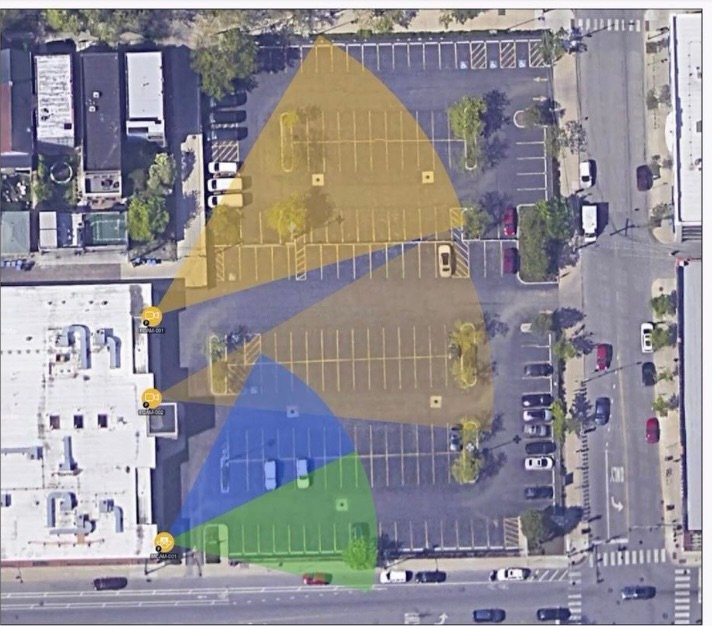
Plan Camera Coverage Before Installing
Before installing cameras, map out the areas that need coverage. Focus on entrances, driveways, gates, and other high-traffic areas.
Proper security camera placement ensures you capture useful footage instead of wide empty views.
Use PoE Security Cameras When Possible
Most modern systems use PoE security cameras because they simplify wiring and improve reliability. Instead of running separate power adapters, PoE allows one cable to handle both power and video data.
A PoE security camera system is typically easier to install and expand.
Analog vs IP Cameras (Quick Explanation)
Older CCTV systems often used analog cameras connected to a DVR using coaxial cable.
Analog cameras
• lower cost
• older technology
• limited resolution
IP security cameras
• higher resolution
• remote viewing capability
• easier system expansion
Most modern surveillance systems now use IP cameras because they provide clearer video and more flexibility.
For a deeper comparison, see our article discussing analog vs IP camera systems.
Security Camera Buying Guide: How to Choose the Right System
Choosing the best security camera system depends on several factors including resolution, lighting conditions, and property size.
Resolution
Higher resolution cameras capture more detail. Many modern systems use 4MP or 4K cameras for improved clarity.
Night Vision
Night performance is critical for outdoor security. Infrared night vision cameras allow monitoring even in complete darkness.
Storage
Most CCTV systems store video on an NVR with a hard drive. Storage capacity determines how long footage can be saved before being overwritten.
Weather Rating
Outdoor security cameras should have weather ratings such as IP67 to ensure durability in rain, snow, and dust.
Smart Detection
Many modern cameras include intelligent motion detection features such as human and vehicle detection, reducing false alarms.
Common CCTV Buying Mistakes
Even good cameras can perform poorly if the system is designed incorrectly.
Common mistakes include:
Buying cameras with resolution that is too low
Installing too few cameras to cover the property
Ignoring lighting conditions at night
Buying cheap systems with poor image processing
We explain this further in our article on the real cost of cheap security cameras.
Recommended Security Camera Systems
If you’re building a new surveillance system, choosing reliable equipment is essential for long-term performance.
Beginner Home System
A small PoE security camera system with 4 cameras and an NVR works well for most homes.
Small Business System
Businesses often require additional coverage for entrances, parking areas, and storage rooms.
Large Property System
Larger properties benefit from higher resolution cameras and expanded NVR storage.
You can explore professional-grade cameras, enclosures, and accessories in our webstore here:
Professional Planning Makes a Difference
Choosing the right equipment and camera placement can be challenging, especially for larger properties or commercial sites.
Working with a technology consultant who specializes in surveillance systems can help ensure proper coverage, equipment selection, and installation planning.
Learn more about professional consulting services here:
Follow CCTV Trainer
Follow CCTV Trainer for real-world camera installs, troubleshooting tips, and security technology updates.
https://www.facebook.com/profile.php?id=61585034188038
https://www.instagram.com/cctvtrainer/
Final Thoughts
A well-installed CCTV system can dramatically improve the security of your home or business. By choosing the right cameras and following proper installation practices, you’ll get clearer footage, fewer blind spots, and a more reliable surveillance system overall.